

By • 22 March 2026
Whisky Investment Returns: How Much Can You Earn from Whisky Casks?

Introduction
As investors increasingly explore alternative investment opportunities, whisky cask investment has gained significant attention for its strong long-term returns and tangible asset value.
But the key question remains:
How much can you actually earn from whisky cask investment?
In this guide, we break down whisky investment returns, ROI factors, real examples, and growth potential to help you make an informed decision.
What Are Whisky Investment Returns?
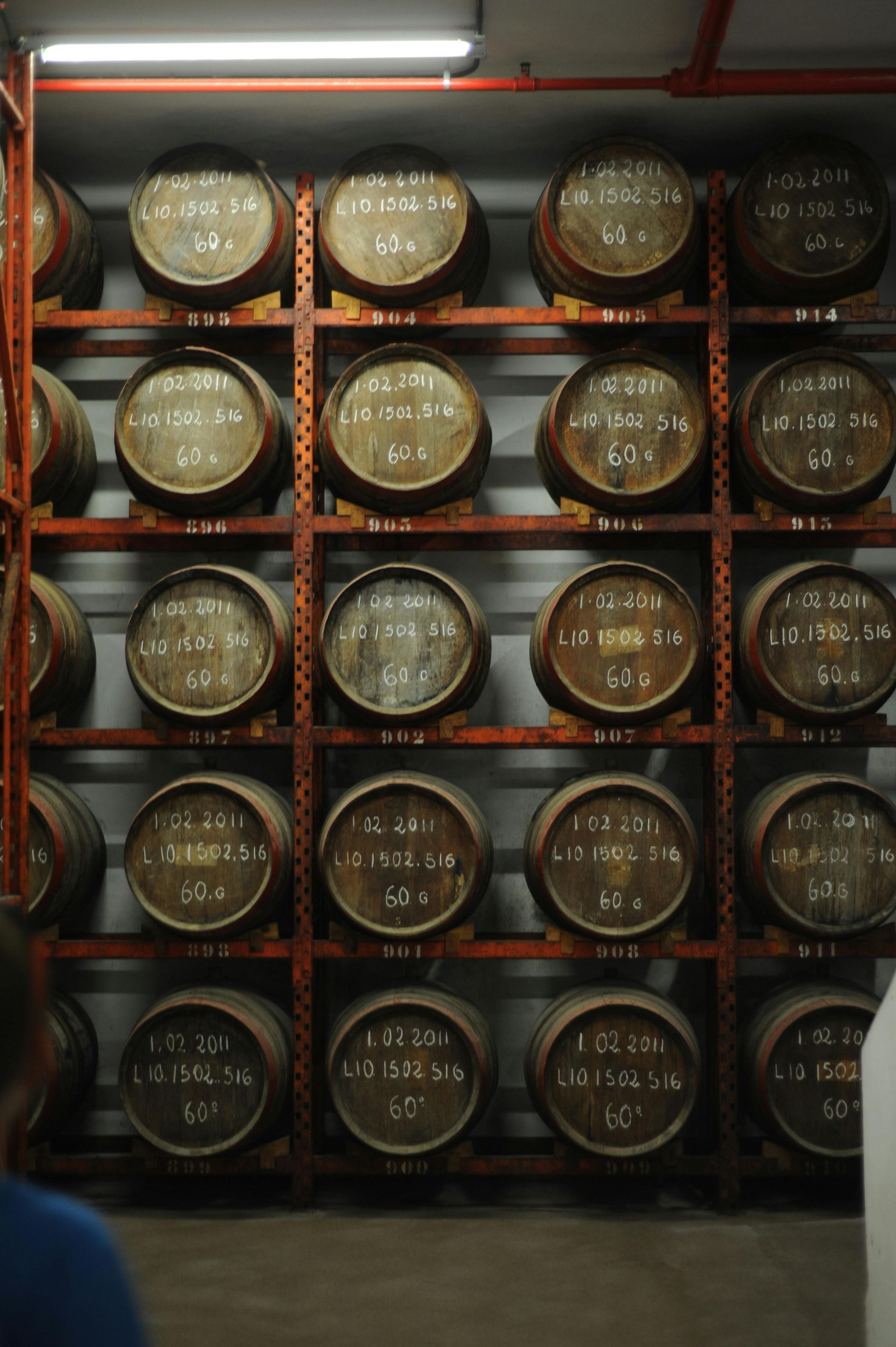
Whisky investment returns refer to the increase in value of a whisky cask over time as it matures in a bonded warehouse.
Unlike traditional assets, whisky benefits from:
- Aging (improves quality and value)
- Scarcity (limited supply over time)
- Increasing global demand
This combination makes whisky a high-potential alternative asset investment.
Keywords: whisky investment returns, ROI whisky cask, whisky cask profit
Average ROI on Whisky Cask Investment
Historically, whisky cask investments have delivered:
- 8% to 15% annual returns
- Higher returns for rare and premium casks
- Strong appreciation over long holding periods (5–15 years)
Returns depend heavily on cask quality, distillery, and market timing.
What Drives Whisky Cask Returns?
1. Aging & Maturation
As whisky ages, it becomes more refined and desirable. Older whisky commands higher market prices, directly impacting ROI.
2. Distillery Reputation
Casks from well-known distilleries tend to appreciate faster due to brand recognition and demand.
3. Global Demand Growth
Demand for premium whisky is rising globally, particularly in:
- Asia
- Middle East
- Emerging luxury markets
This drives long-term price appreciation.
4. Scarcity (Angel’s Share Effect)
During maturation, a small percentage of whisky evaporates annually — known as the “Angel’s Share.”
This reduces supply and increases value over time.
5. Cask Quality & Storage
Proper storage in bonded warehouses ensures:
- Quality preservation
- Consistent aging
- Maximum resale value
Real Example of Whisky Investment Returns
Here’s a simplified scenario:
- Initial Investment: $10,000
- Holding Period: 7–10 years
- Estimated Value: $18,000 – $25,000
This represents a strong long-term ROI, depending on market conditions and cask selection.
Whisky vs Other Investment Assets
| Asset | Return Potential | Volatility | Liquidity |
|---|---|---|---|
| Stocks | High | High | High |
| Gold | Moderate | Low | High |
| Real Estate | Moderate | Medium | Low |
| Whisky Casks | Moderate-High | Low-Medium | Low |
Whisky stands out as a low-correlation asset, making it ideal for diversification.
Advantages of Whisky Investment
- Tangible asset ownership
- Long-term capital appreciation
- Portfolio diversification
- Lower volatility compared to equities
- Growing global deman
Risks to Consider
While returns are attractive, whisky investment carries some risks:
- Illiquidity – not easily sold quickly
- Long holding period required
- Market demand fluctuations
- Importance of working with trusted providers
How to Maximize Your Whisky Investment Returns
To improve ROI:
- Invest in
reputable distilleries
- Choose casks with strong aging potential
- Hold for the long term (5–10+ years)
- Work with trusted whisky investment companies
- Monitor market trends and exit timing
Is Whisky a Good Investment in 2026?
With increasing demand, limited supply, and strong historical performance, whisky continues to be one of the most promising alternative investment assets in 2026.
It is particularly attractive for:
- High-net-worth investors
- Long-term investors
- Portfolio diversification strategies
Final Thoughts
Whisky cask investment offers consistent long-term returns, tangible ownership, and global demand-driven growth. While it requires patience and proper due diligence, it can be a valuable addition to a diversified investment portfolio.
For investors looking beyond traditional markets, whisky provides a unique opportunity to earn stable and potentially high returns over time.
SHARE THIS
Latest Posts