

By • 22 March 2026
What is Whisky Cask Investment? Complete Beginner Guide (2026)
Introduction
In recent years, whisky cask investment has emerged as one of the most attractive alternative investment opportunities for high-net-worth individuals and portfolio-focused investors. As traditional markets like stocks and crypto become increasingly volatile, investors are actively seeking tangible assets that offer stability, long-term growth, and diversification.
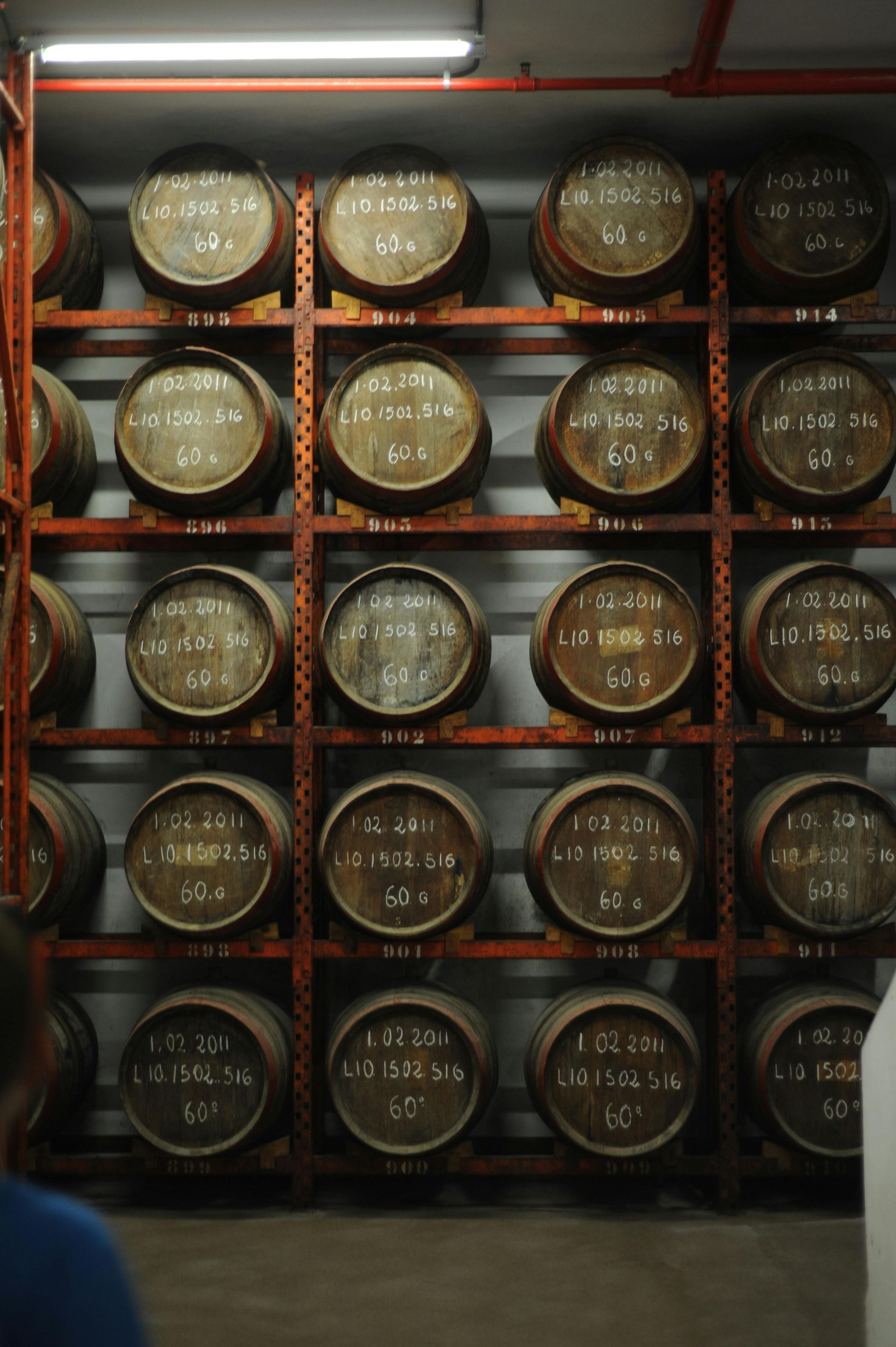
Whisky, particularly maturing casks stored in bonded warehouses, has gained attention due to its unique ability to increase in value over time. But how exactly does whisky cask investment work, and is it the right opportunity for you?
This complete beginner guide will help you understand everything — from how whisky casks generate returns to the risks, process, and potential rewards.
Why Whisky Cask Investment is Gaining Popularity
1. Tangible Asset Ownership
Unlike stocks or crypto, whisky is a physical asset you own, providing a sense of security.
2. Strong Global Demand
The global demand for aged and rare whisky continues to grow, especially in markets like Asia and the Middle East.
3. Limited Supply
Whisky takes years to mature, and during this process, some volume is lost (known as the “Angel’s Share”), increasing scarcity.
4. Portfolio Diversification
Whisky has low correlation with traditional markets, making it an effective diversification tool.
What Drives the Value of Whisky Casks
Several key factors influence the value of a whisky cask:
• Age of the Whisky
Older whisky is rarer and commands higher prices.
• Distillery Reputation
Well-known distilleries typically generate stronger demand and higher returns.
• Cask Quality
The type and condition of the barrel impact the maturation process and final quality.
• Market Demand
Global trends, collector interest, and regional demand all influence pricing.
Risks of Whisky Cask Investment
Like any investment, whisky casks come with risks:
• Long-Term Commitment
Investors typically need to hold for several years.
• Liquidity Constraints
Casks are not instantly sellable like stocks.
• Market Fluctuations
Demand and pricing can vary over time.
• Fraud Risk
Working with unverified sellers can lead to scams — due diligence is critical.
How to Start Investing in Whisky Casks
If you’re considering entering the whisky investment market, follow these steps:
1. Choose a Trusted Investment Company
Ensure transparency, verified ownership, and industry credibility.
2. Select the Right Cask
Consider:
- Budget
- Distillery
- Aging potential
3. Verify Ownership Documentation
Always receive:
- Ownership certificate
- Cask identification
- Warehouse details
4. Understand Storage & Fees
Factor in:
- Storage costs
- Insurance
- Management fees
5. Plan Your Exit Strategy
Decide whether you will:
- Sell the cask
- Bottle the whisky
- Hold long-term
Whisky vs Traditional Investments
| IInvestment Type | Return Potential | Risk Level | Liquidity |
|---|---|---|---|
| Stocks | High | High | High |
| Gold | Moderate | Low | High |
| Whisky Casks | Moderate-High | Medium | Low |
Whisky stands out as a stable, tangible, and growth-oriented asset.
Is Whisky Cask Investment Right for You?
Whisky cask investment is best suited for:
- Long-term investors
- High-net-worth individuals
- Investors seeking diversification
- Those interested in luxury or alternative assets
Final Thoughts
Whisky cask investment offers a unique combination of tangible ownership, long-term appreciation, and global demand. While it requires patience and proper due diligence, it can be a valuable addition to a well-diversified investment portfolio.
As the global appetite for premium whisky continues to grow, investors who enter early may benefit from significant long-term value appreciation.
SHARE THIS
Latest Posts